
How to Search Baltimore City Court Records
The main tool is Maryland Judiciary Case Search. It is free. It pulls cases from the District Court, the Circuit Courts, and the appellate courts in one place. For Baltimore City you can reach both Circuit Court and District Court matters from the same search. The portal shows a summary of each case, not the full file. The complete record stays at the courthouse where the case was heard, and the Maryland Judiciary court records page says the same thing.
Gather a few details first. A case number works best. A full legal name works too. Since December 7, 2021, Case Search defaults to exact-name matching. For a partial name, type the first part of the last name and add a percent sign, like Smith%. If a search returns more than 500 records, the portal shows only the first 500. So a broad name search can hide the case you want. Narrow it with a court, a case type, or a filing date range.
The steps below walk through a basic search from start to finish.
- Open the official Case Search portal. Skip third-party search sites.
- Accept the terms if the portal asks.
- Pick Case Number Search when you have the number from a summons, notice, or docket sheet.
- Pick Party Name Search to look by a person or business, and select Baltimore City to localize the search.
- Try the exact legal name first; add the % wildcard after the first letter if the spelling is unsure.
- Add a filing date range, case type, or court to stay under the 500-record limit.
- Open the matching case and note the case number, court, type, and status.
- For the full file or a certified copy, contact the clerk where the case was filed.
The official Case Search FAQ spells out the wildcard and result-limit rules. Case Search times out after two minutes of idle time, so work steadily once you start.
A screenshot of the FAQ shows the search tips and retention rules in plain form on the Maryland Judiciary FAQ page.
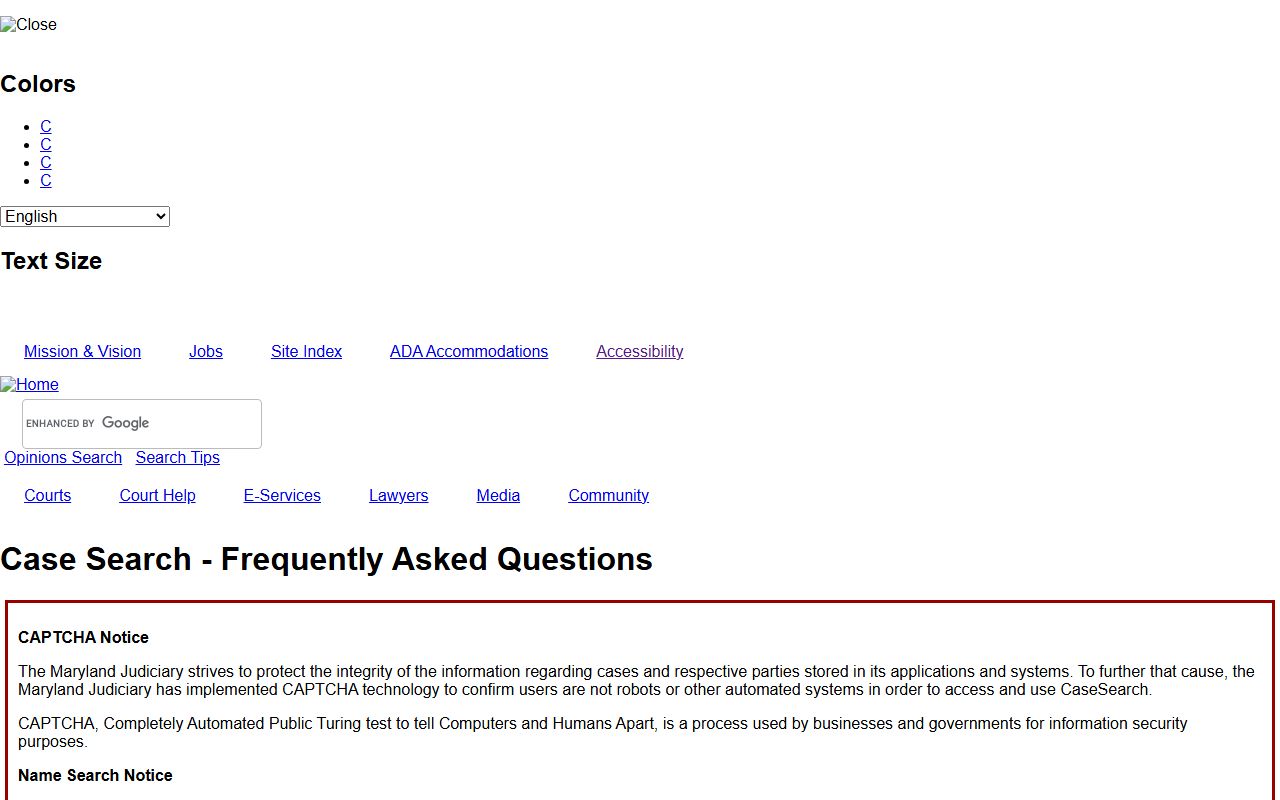
The same page warns that Case Search should not be used for a formal background check, since fingerprint-based criminal history runs through CJIS at DPSCS.
Baltimore City Court Records Search Fields
Case Search uses a small set of fields. Each one changes what comes back. The name path and the case-number path both work, and the extra filters keep big searches under the 500-record cap. The table sets out the main fields and how to use them.
| Field Label | Type | Required | Notes / Format |
|---|---|---|---|
| Case Number Search | Tab | One path | Use when the exact case number is known. |
| Party Name Search | Tab | One path | Person, company, plaintiff, defendant, or attorney. |
| Advanced Search | Tab | One path | Narrow by court, case type, and date together. |
| Last Name | Text | Yes (name path) | Exact-name default; first letters plus % for partials. |
| First Name | Text | No | Narrows a party search. |
| Court | Dropdown | No | District Court, Circuit Court, or appellate. |
| Case Type | Dropdown | No | Civil, criminal, traffic, or family. |
| Filing Date Range | Date | No | Trims broad searches under the 500 cap. |
| County / Jurisdiction | Dropdown | No | Select Baltimore City to localize results. |
The Clear button wipes all fields so you can start over. The Company Name field can be skipped; the FAQ suggests a person search with the company name in the last-name field if a business does not show.
Types of Baltimore City Court Records
Court records in the city fall into a few broad groups. Each group ties back to the court that created it. The Circuit Court for Baltimore City takes the bigger cases. The District Court handles high-volume, lower-value matters. Probate runs on its own track through the Register of Wills, and land records use a separate state system.
Some records pull up online in seconds. Others sit only in the clerk's paper or electronic file. The list below shows the main types and where each one lives.
- Criminal records – felony cases in Circuit Court, misdemeanors and early felony stages in District Court; see arrest records.
- Civil records – suits, judgments, and small claims, split by the dollar amount.
- Family records – divorce, custody, and support in Circuit Court; see marriage and divorce records.
- Traffic records – citations and motor-vehicle cases in District Court; see traffic court records.
- Probate records – estates and wills through the Register of Wills; see probate records.
- Land records and liens – deeds, judgments, and liens through the clerk and the state land-record system.
The Maryland Judiciary court records guide ties these groups together and points to Case Search, Estate Search, and land records as the main public tools.
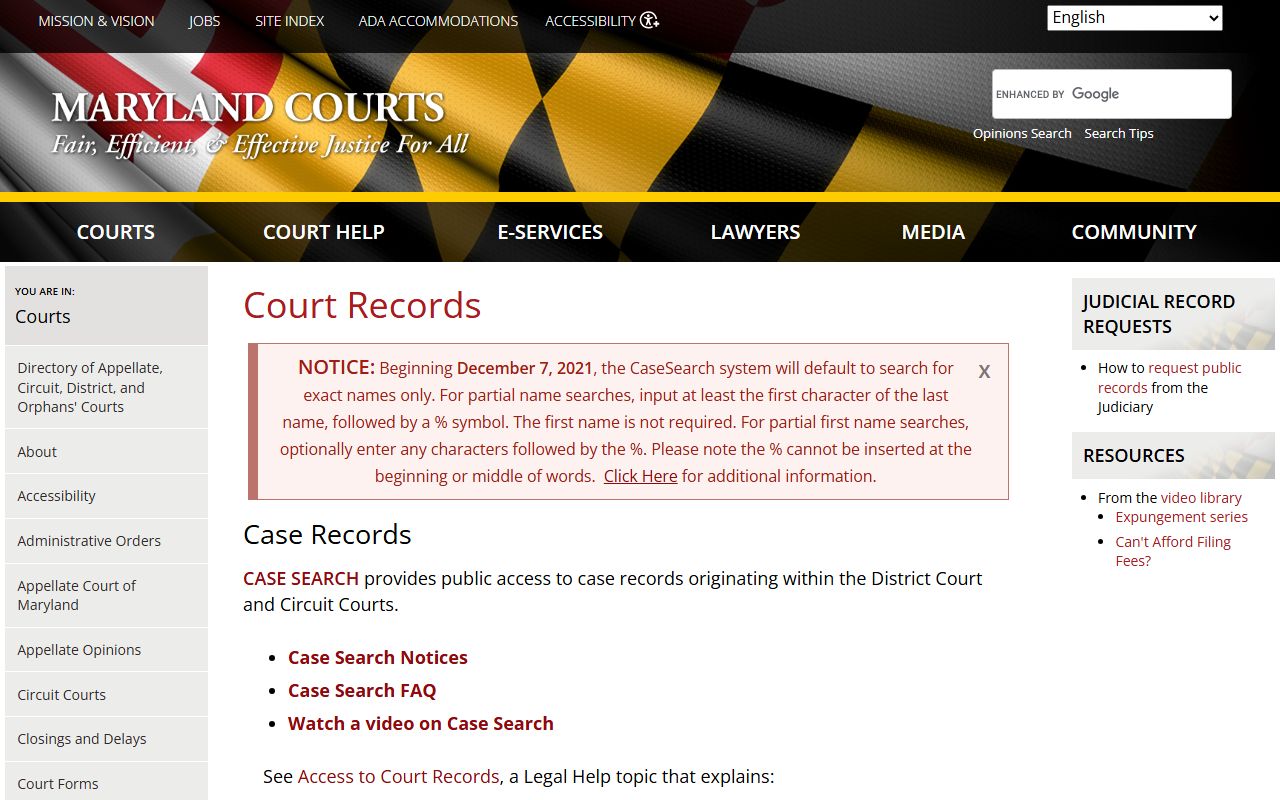
That guide also explains shielding, sealing, and expungement, which decide whether a record stays open or drops off public view.
What Baltimore City Court Records Show
A case summary in Case Search lists a common set of fields. Criminal, civil, traffic, and family cases share most of them. A few fields, such as date of birth, show only where the law allows it. The full document set may need a clerk visit or authorized electronic access. The table maps each field to what it tells you.
| Field | What It Shows |
|---|---|
| Case Number | Unique court ID for the matter. |
| Court / Jurisdiction | Circuit Court, a District Court location, or appellate. |
| Filing Date | Date the case was opened. |
| Parties | Plaintiff, defendant, petitioner, or respondent and roles. |
| Charges / Cause | Offense or claim text in criminal and civil cases. |
| Trial / Hearing Date | Scheduled event date and sometimes a time. |
| Disposition | Outcome, such as guilty, dismissed, or judgment. |
| Docket Entries | Chronological list of filings, motions, hearings, and orders. |
A few terms trip up new readers. A charge is not a conviction. A disposition is the outcome of a charge or claim. Nolle prosequi means the prosecutor dropped the charge. Stet is an inactive status that can reopen within limits. The glossary below defines the words you will see most.
- Plaintiff
- The person or business that starts a civil case.
- Defendant
- The person or business sued or charged.
- Motion
- A written request asking the court for an order.
- Judgment
- A final decision that may award money or relief.
- Disposition
- The outcome of a charge, claim, or whole case.
For more on how dockets are built and read, see the Baltimore City court dockets page.
Public Access Framework for Baltimore City Court Records
Two frameworks govern access. Agency records fall under the Maryland Public Information Act in the General Provisions Article. Court case records fall mostly under Maryland Rules 16-901 through 16-934. Most judicial records sit with the local clerk, and Case Search is the public summary. When a record is confidential, the clerk may apply to the administrative judge under the court rules before anyone can see it.
The PIA sets the basic rules for nonjudicial records. General Provisions § 4-101 defines terms like public record and custodian. General Provisions § 4-201 sets the right to inspect public records. General Provisions § 4-206 covers response timing for a request. For agency records and the request process, the public records page goes deeper.
Copies cost a fee at the clerk's office. Anyone may view most case files in person, but the clerk's office cannot answer case questions by phone. Requests must be in person or in writing.
Note: Case Search is a summary, so confirm any charge, court date, or disposition with the clerk before you rely on it for a legal or personal decision.
Records That Are Sealed or Confidential in Baltimore City
Not every record is open. Maryland law shields several types. Juvenile delinquency files are generally confidential under Courts and Judicial Proceedings § 3-8A-27. Adoption files are confidential under Family Law § 5-359. Grand jury proceedings stay secret under Courts and Judicial Proceedings § 9-109. Mental-health and pre-sentence reports are also closed without a court order.
A record can also be sealed, shielded, or expunged. Expungement removes eligible items from public view across court and police files under Criminal Procedure § 10-105. Shielding hides a record but keeps it for authorized use. To view a sealed record, a person usually files a motion and the clerk applies to the administrative judge. Keep copies of any expungement order, because the record may be hard to get later.
Some criminal outcomes were pulled from online Case Search under 2024 changes but may still be public at the courthouse. These include some nolle prosequi, dismissed, acquitted, older stet, and certain cannabis matters.
Authorized Access Through JPortal
JPortal is a separate gateway for authorized users. It opens applications that give online access to Maryland court records under Maryland Rules 16-901 through 16-914. Access is limited to approved business purposes, and most members of the public will not qualify. The general public should stick to Case Search or the courthouse kiosks instead.
The JPortal overview page explains who may apply and what support is offered.
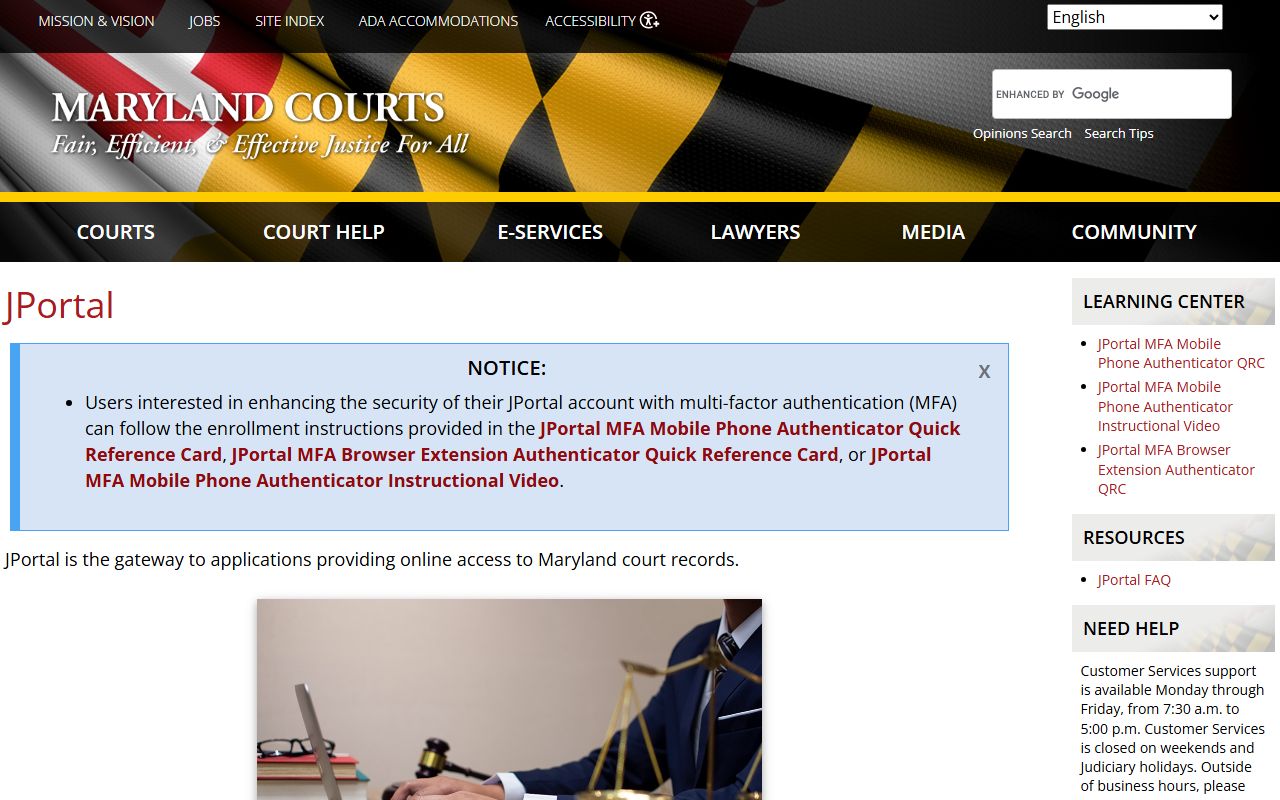
Customer support runs weekday business hours, and multi-factor sign-in is available for approved accounts.
Approved users sign in at the JPortal login page, which is not a public search tool.
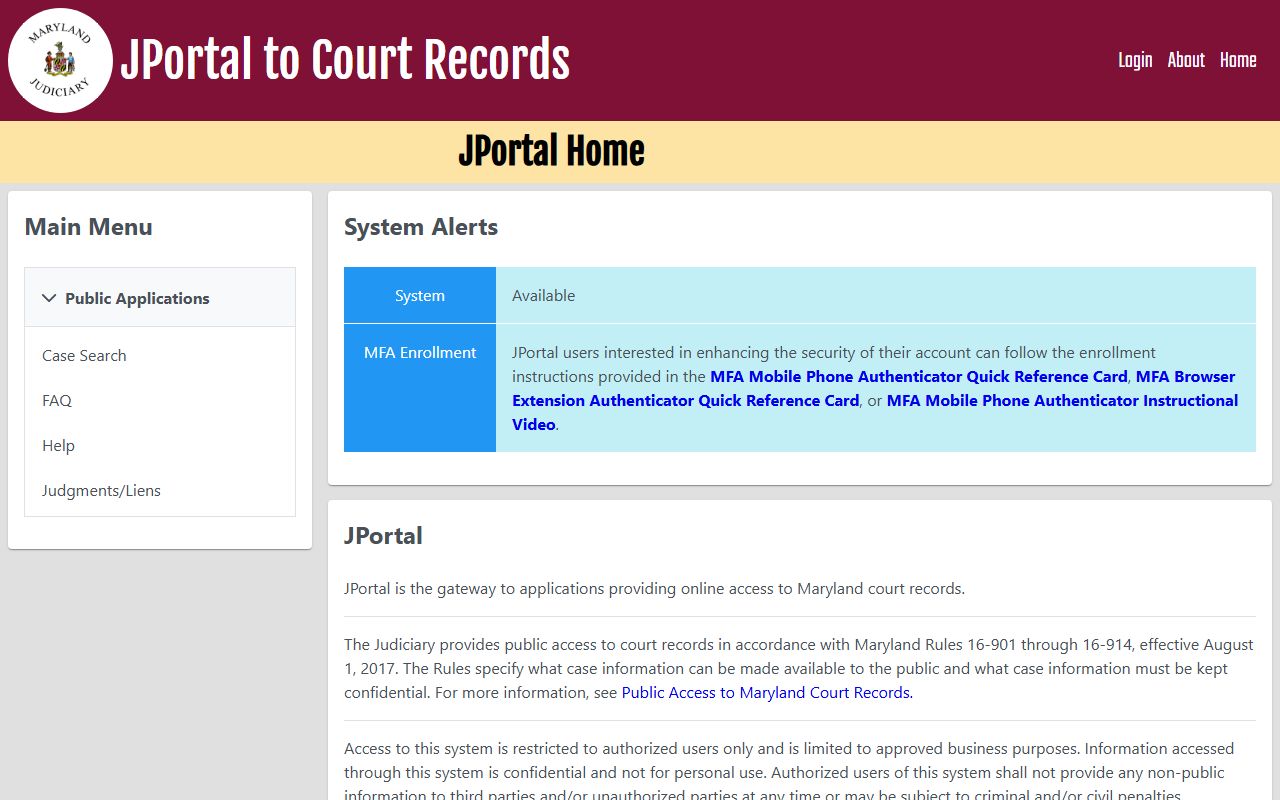
For everyday record lookups, the free public path remains Case Search, with the clerk's office for the complete file.
Land Records and Federal Cases
Some Baltimore City records live outside Case Search. Land records, such as deeds and liens, are kept in a statewide image system. A free account is needed to view them online. The Circuit Court clerk also records federal and state tax liens, though online availability varies by local process.
You can view deeds and liens through MDLandRec after you set up a free account.
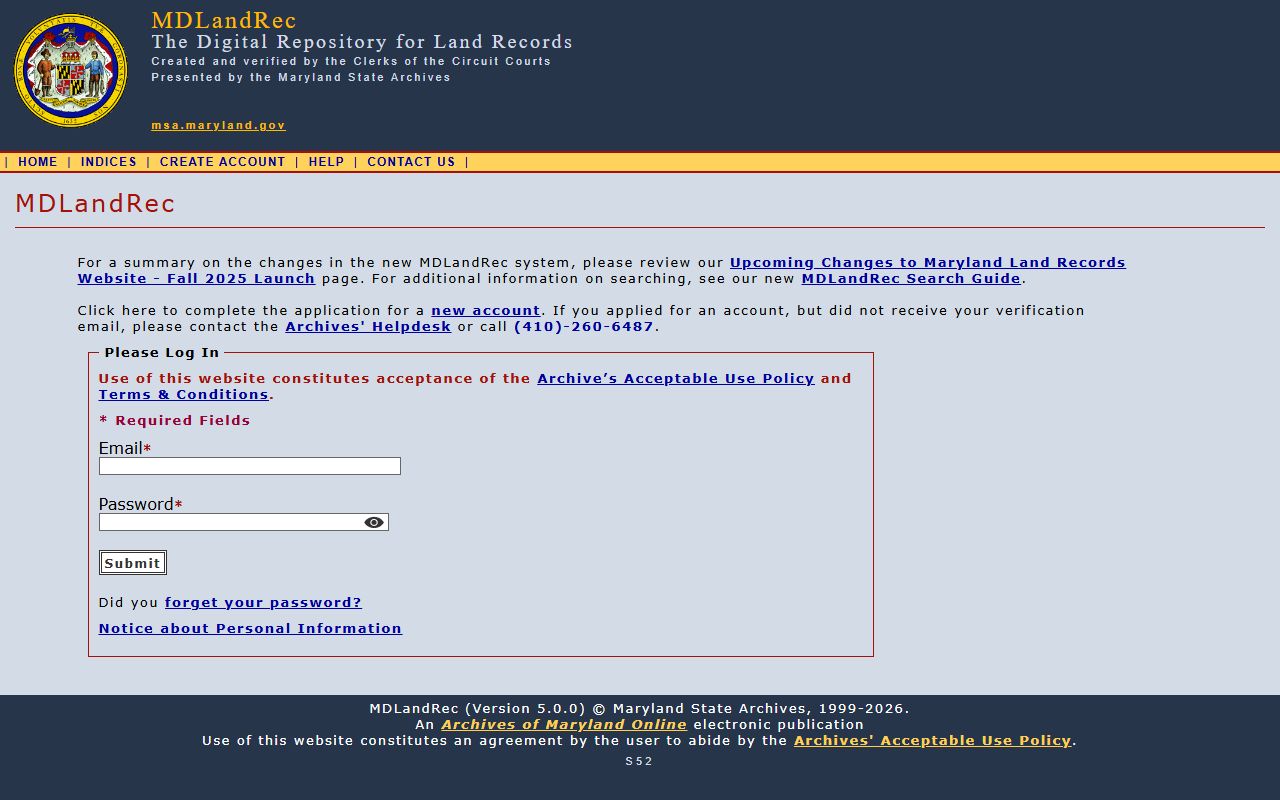
That system is separate from Case Search and is the official source for recorded land documents.
Federal matters are not in Case Search at all. For official federal dockets, register with PACER, the national court records service.
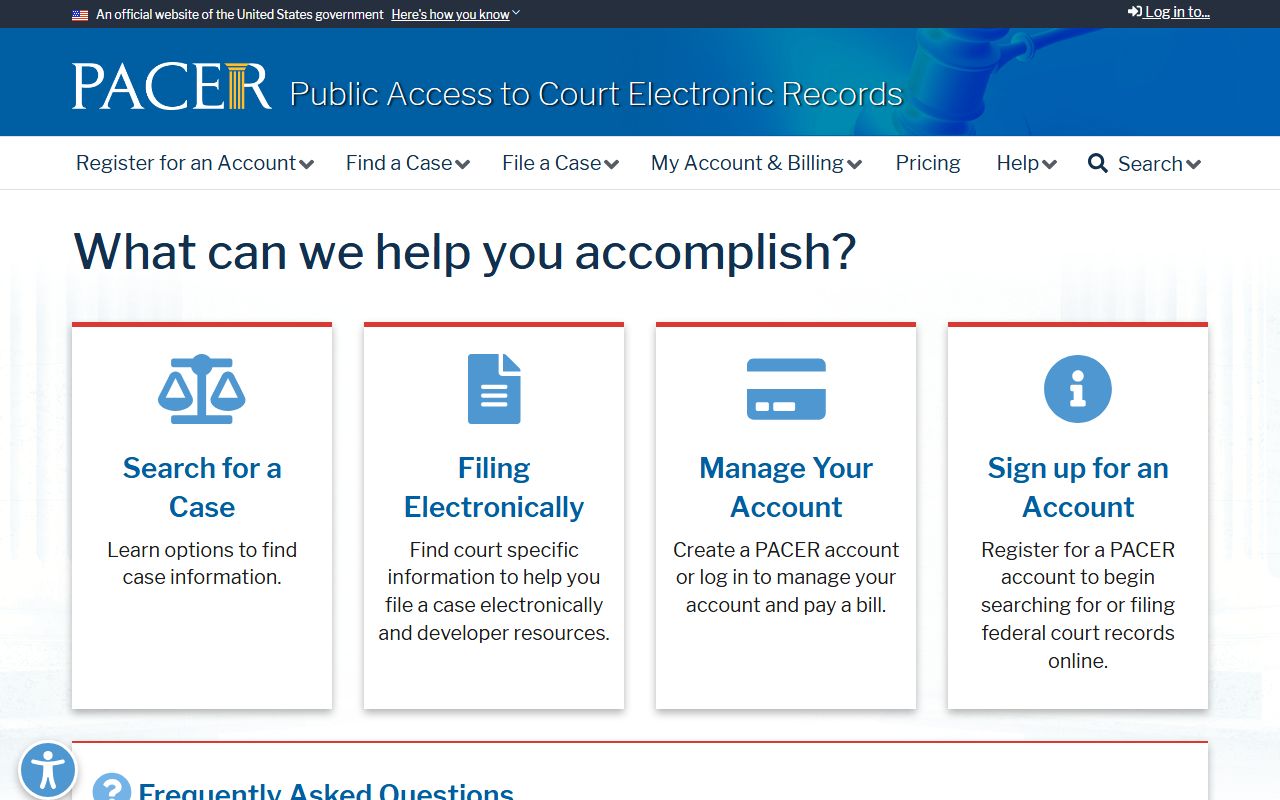
Baltimore City sits within the U.S. District Court for the District of Maryland, and PACER carries those federal case files.
In-Person Court Record Requests
The full file lives at the courthouse where the case was heard. For Circuit Court matters, that means the Clerk of the Circuit Court for Baltimore City. Bring a case number if you have one. If not, the clerk may use names to find the file. Copies cost a set fee, and certified copies cost more. Plan for security screening when you arrive.
Clerk of the Circuit Court for Baltimore City
Clarence M. Mitchell, Jr. Courthouse
100 North Calvert Street
Baltimore, MD 21202
410-333-3722
Mon–Fri 8:30 a.m. to 4:30 p.m.
Copy fees are modest and fixed. The table shows the common charges at the clerk's office.
| Item | Amount |
|---|---|
| Plain copy per page | $0.50 |
| Certified copy per instrument | $5.00 |
| Mail request without return postage | Add $2.00 |
| Authentication of notary | $1.00 per document |
The clerk's office cannot take case requests by phone. Make any request in person or in writing, and include payment for copies. For the full schedule and office details, see the Clerk of the Circuit Court page.